
Showing all 5 results
-
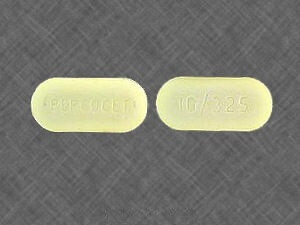
Percocet 10/325mg
Select options This product has multiple variants. The options may be chosen on the product page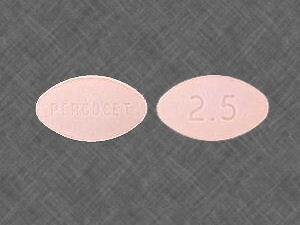
Percocet 2.5/325mg
Select options This product has multiple variants. The options may be chosen on the product page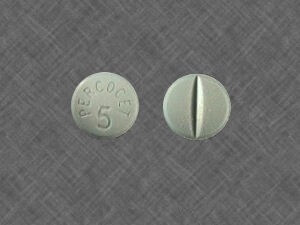
Percocet 5/325mg
Select options This product has multiple variants. The options may be chosen on the product page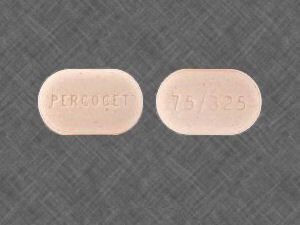
Percocet 7.5/325mg
Select options This product has multiple variants. The options may be chosen on the product page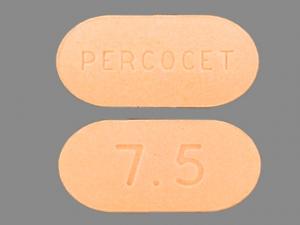
Percocet 7.5/500mg
Select options This product has multiple variants. The options may be chosen on the product pagePercocet: What Patients Should Know Before Starting Treatment
Percocet is a prescription pain medicine that combines oxycodone and acetaminophen. Oxycodone is an opioid, which means it can reduce pain but also carries a real risk of misuse, dependence, overdose, and dangerous side effects. Acetaminophen is a common pain reliever and fever reducer, but too much of it can damage the liver.
That mix matters.
A lot of people recognize the brand name but do not realize they are taking two drugs in one tablet. They may focus on the opioid risk and miss the acetaminophen limit, or they may think that if a dose helped once, a little more must be better. That is how problems start.
This page is here to give patients clear facts. No hype. No vague promises. Just the information most people want when they are dealing with pain, trying to follow a prescription correctly, and worried about getting something wrong.
What Percocet is used for
Percocet is prescribed for moderate to severe pain when a clinician decides that other treatment options are not enough or are not appropriate for the patient’s situation.
That can include pain after surgery, pain after an injury, or short-term pain that interferes with sleep, movement, or basic daily tasks. In some cases, it may also be used for longer-lasting pain, but that decision requires close medical supervision because opioid risks increase over time.
Percocet is not the right choice for every kind of pain. Some patients do better with non-opioid options, physical therapy, nerve pain treatments, anti-inflammatory medicines, or a combination plan. Pain care is rarely one-size-fits-all.
Why this medication needs extra caution
Percocet is not a routine over-the-counter pain reliever. It is a controlled prescription medication for a reason.
Oxycodone can slow breathing. It can cause drowsiness, confusion, nausea, constipation, and impaired judgment. In higher doses, or when combined with alcohol, benzodiazepines, or other sedating drugs, it can become life-threatening.
Acetaminophen has its own risk. Many cold, flu, sleep, and pain products also contain acetaminophen. Some patients accidentally “stack” products and go over the daily limit without realizing it. That mistake is more common than people think, especially when someone is exhausted, in pain, or taking several medicines at once.
One unexpected detail: in many cases, the acetaminophen part of Percocet becomes the limiting safety factor before patients even think about the opioid component. People often watch the oxycodone number and forget to total up the acetaminophen across all their medications.
Before taking Percocet
Tell your clinician or pharmacist if you have:
- asthma, COPD, sleep apnea, or any breathing problem
- liver disease
- kidney disease
- a history of substance use disorder
- depression, anxiety, or other mental health conditions
- a history of overdose
- pregnancy or plans to become pregnant
- constipation that is already severe
- an allergy to oxycodone, acetaminophen, or related medicines
Also share a full medication list. That includes prescriptions, supplements, sleep aids, allergy pills, and anything you bought at a store without a prescription.
This is not a minor detail. Drug interactions are one of the fastest ways a pain treatment plan turns unsafe.
How to take it safely
Take Percocet exactly as prescribed.
Do not take extra doses because the pain feels worse at night. Do not shorten the time between doses. Do not crush, split, or change the form unless a clinician or pharmacist tells you it is safe to do so.
If the prescription says every 6 hours, that does not mean “whenever pain gets bad.” It means every 6 hours, if needed, within the dosing plan you were given.
A few basic safety rules matter more than people expect:
- Never mix Percocet with alcohol.
- Do not combine it with sedatives unless a clinician specifically instructed you to do that.
- Do not drive until you know exactly how it affects you.
- Do not share it with anyone else, even if they say they have the same pain.
- Keep track of when you took your last dose. Pain and sleep loss make memory worse.
Some patients use a written log on paper because it is faster than unlocking a phone at 2 a.m. That may sound old-fashioned, but it prevents double-dosing.
Common side effects
Many patients experience at least one side effect in the first few days. The most common ones include:
- sleepiness
- dizziness
- nausea
- vomiting
- constipation
- dry mouth
- itching
- slowed thinking or reaction time
Constipation deserves special attention because it often starts early and can become severe. People tend to wait too long to address it. If an opioid is part of the plan, bowel management usually needs to be part of the plan too.
Serious warning signs
Get urgent medical help right away if you notice:
- slow, shallow, or difficult breathing
- lips or fingertips turning blue
- extreme drowsiness or trouble waking up
- fainting
- confusion that is sudden or severe
- signs of allergic reaction, such as swelling of the face or throat
- severe dizziness that does not improve
- signs of liver trouble, such as yellowing of the skin or eyes, dark urine, or severe upper abdominal pain
If overdose is suspected, call emergency services immediately. If naloxone is available, use it as directed while waiting for help.
Dependence, misuse, and addiction
This part needs honesty.
Some patients worry that taking an opioid even once will automatically lead to addiction. Others assume that if a doctor prescribed it, addiction is not something they need to think about. Both views miss the middle ground.
The truth is simpler and harder: opioids can help some patients, and they also carry a real risk of misuse, dependence, and addiction. That risk is not a character flaw. It is a medical reality.
Physical dependence can happen with repeated use. That means your body adjusts to the drug, and stopping suddenly may cause withdrawal symptoms. Addiction is different. It involves compulsive use despite harm. Both deserve medical attention, not shame.
An honest limitation: no website can tell a patient whether they personally will struggle with opioid use. That decision depends on medical history, mental health, dose, duration, family history, and what other supports are in place. A good clinician will weigh all of that with you, not rush past it.
Pregnancy and breastfeeding
If you are pregnant, think you may be pregnant, or are breastfeeding, talk to your clinician before using Percocet. Opioid exposure during pregnancy can affect the baby, and treatment decisions should be individualized.
This is not something to guess about based on message boards or social posts. Get guidance from a licensed medical professional who knows your case.
Storage and disposal
Percocet should be stored in a secure place, out of sight and out of reach of children, teens, and visitors. A locked drawer or medication lockbox is better than a bathroom cabinet.
That may sound strict, but many cases of nonmedical opioid use begin with pills taken from a relative’s home. Not from a dealer. Not from a stranger. From a family medicine cabinet.
If you no longer need the medication, dispose of it properly. Many communities have take-back programs, pharmacies with disposal options, or authorized drop sites. If you are not sure where to start, ask a pharmacist.
Do not keep leftover opioids “just in case” unless your clinician specifically instructed you to.
If pain is not improving
If the medication is not controlling pain, do not solve that on your own by increasing the dose. Contact the prescribing clinician.
Sometimes the issue is the diagnosis, not the dose. Sometimes the pain has changed. Sometimes the side effects are causing more harm than the benefit is worth. Sometimes a different treatment plan is safer and works better.
Our own lesson from talking with patients over the years is simple: people often wait too long to report that a medication is not working because they think the answer will be, “Just tough it out.” Good care should not work that way. Problems should be reviewed early, before they become bigger problems.
Questions to ask before starting Percocet
If you are prescribed Percocet, ask:
- Why was this chosen instead of a non-opioid option?
- How long am I expected to take it?
- What side effects should I watch for in my case?
- What should I avoid while taking it?
- Do any of my other medications also contain acetaminophen?
- What is the plan if my pain is not improving?
- When should I taper or stop?
- Should I have naloxone at home?
Those questions are not difficult or rude. They are responsible.
Who should not use this medication without close medical review
Extra caution is needed for people who:
- have breathing disorders
- are older adults with fall risk
- take sleep medicines or anti-anxiety drugs
- have a history of overdose or substance misuse
- have liver disease
- live alone without someone to check on them during the first days of treatment
A patient’s life circumstances matter too. Someone recovering from surgery while caring for two young children faces different risks than someone who has steady help at home. Real care planning should reflect real life.
A note about online access and prescriptions
Percocet is not a medication that should be obtained casually or outside proper medical review. Patients should only use medicines prescribed by a licensed clinician and dispensed by a properly licensed pharmacy operating under applicable laws.
If anything about an online medication offer feels vague, rushed, or evasive, stop and verify the source. A legitimate provider or pharmacy should be clear about prescription requirements, safety checks, and pharmacist access.
Pain can make people desperate. That is exactly when clear rules matter most.
Frequently asked questions
Is Percocet the same as oxycodone?
Not exactly. Percocet contains oxycodone plus acetaminophen. Pure oxycodone products do not include acetaminophen.
Can I take Percocet with Tylenol?
Not unless a clinician or pharmacist says it is safe. Tylenol contains acetaminophen, and combining products can push you over the safe daily limit.
Can I drink alcohol while taking Percocet?
No. Alcohol increases the risk of dangerous sedation, breathing problems, and overdose.
What if I miss a dose?
Follow the instructions from your prescriber or pharmacist. Do not double up to “catch up.”
Is constipation normal?
It is common with opioids, but that does not mean it should be ignored. If it starts, address it early and ask your clinician or pharmacist what to do.
Can I stop taking it suddenly?
That depends on how long you have taken it and at what dose. If you have been using it regularly, ask your clinician before stopping.
Final thought
Pain changes how people think. It shortens patience. It interrupts sleep. It makes simple instructions harder to follow than they look on paper. That is why safe use information should be plain, specific, and easy to act on.
If you have questions about whether Percocet is appropriate for your situation, the safest next step is not guesswork. It is a conversation with a licensed clinician or pharmacist who can review your symptoms, medical history, current medications, and risk factors.
That may not be the fastest answer. But when opioids are involved, fast is not always the same thing as safe.