
Showing all 3 results
-

Dilaudid 2mg
Select options This product has multiple variants. The options may be chosen on the product page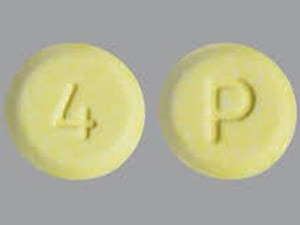
Dilaudid 4mg
Select options This product has multiple variants. The options may be chosen on the product page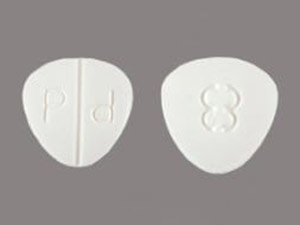
Dilaudid 8mg
Select options This product has multiple variants. The options may be chosen on the product pageDilaudid (Hydromorphone): What Patients Should Know Before Filling a Prescription Online
Severe pain medicine deserves a clear explanation
Hydromorphone, sometimes known by the brand name Dilaudid, is a strong opioid pain medicine used for severe pain. It is not an everyday product. It is not a casual refill. It is not something anyone should order the way they order vitamins, skin cream, or cold medicine.
That distinction matters.
People usually land on pages like this when they are in pain, stressed, short on time, or trying to help a family member after surgery, injury, or cancer treatment. In that state, it is easy to miss the details that matter most. This page is here to slow things down and make those details clear.
Hydromorphone can be effective when a licensed clinician decides it is appropriate. It can also be dangerous when it is taken without the right prescription, in the wrong dose, with alcohol, or with other sedating drugs. It may become habit-forming, and the risk of serious breathing problems is highest during the first 24 to 72 hours of treatment and after a dose increase.
What hydromorphone is used for
Hydromorphone is prescribed to relieve severe pain. It works by changing how the brain and nervous system respond to pain. That does not make it “bad.” It makes it powerful. And powerful medicines need careful handling.
For some patients, this medicine is part of a short recovery period after surgery. For others, it may be used in more serious pain situations under close medical supervision. The key point is simple: this is a prescription decision, not a shopping decision.
What this page is not
This page is not a promise that hydromorphone is right for you.
It is not a shortcut around a medical evaluation.
It is not a replacement for your prescriber, pharmacist, or pain specialist.
That may sound obvious, but many websites blur those lines on purpose. We are not going to do that here.
If a page makes a controlled opioid sound easy, routine, or risk-free, that is a red flag.
Before any prescription is filled, these questions matter
A real medical review should answer basic but important questions:
Have you taken opioids before?
What other medicines are you using right now?
Do you use sleep medicine, anti-anxiety medication, muscle relaxers, or alcohol?
Have you ever had slowed breathing, asthma attacks, or another breathing condition?
Have you had a history of substance misuse, dependence, or overdose in your household?
Are there children at home?
Those are not minor details. They can change whether hydromorphone is appropriate at all, what dose may be considered, and what monitoring is needed. A page that skips over these questions is skipping over the hard part.
The biggest risks patients should understand
The plain version is this: hydromorphone can slow breathing, increase sedation, and become habit-forming.
The more specific version matters even more.
Serious or life-threatening breathing problems can happen, especially during the first 24 to 72 hours of treatment or when the dose is increased. Combining hydromorphone with alcohol, street drugs, or certain other medicines can raise the risk of heavy sedation, coma, or death. The medicine can also harm or kill someone it was not prescribed for, especially a child.
That last point is easy to overlook, so it deserves its own line:
A pill bottle on a kitchen counter can become a medical emergency in minutes.
That is not dramatic writing. That is the real-world problem.
One detail people rarely think about
Here is an unexpected detail that many competitors would never mention: the danger is not only “misuse.” Sometimes it is ordinary confusion.
A family member sees a bottle after a dental surgery. A caregiver assumes it is the same as another pain medicine used before. A teenager finds leftover tablets in a drawer weeks later. A grandparent pours liquid medicine without understanding how strong it is.
These are boring, everyday moments. That is exactly why they are dangerous.
The risk around opioids is not always a movie-scene overdose. Sometimes it starts with a quiet household mistake.
What a responsible online prescription process should include
If your website discusses hydromorphone at all, the page should make patients look for a process that includes:
A valid prescription from a licensed clinician.
A pharmacy that is properly licensed where it operates.
A review of active medications for dangerous interactions.
Clear dosage instructions.
A way to speak with a pharmacist.
Warnings about alcohol, sedatives, and breathing problems.
Directions for secure storage and proper disposal.
No page should imply that a questionnaire alone guarantees a prescription. No page should suggest that stronger medicine is better medicine. No page should frame speed as the main benefit.
Fast is nice. Safe is better.
Honest limitation: this page cannot answer the most important question
Here is the truth some websites avoid because it makes selling harder:
This page cannot tell you whether hydromorphone is appropriate for your pain.
Only a licensed clinician who knows your medical history, current medications, age, prior opioid exposure, and risk factors can make that call.
That is a limitation. It is also the point.
Good medical content should draw a line where medicine requires an actual professional judgment.
A lesson many healthcare websites learn too late
A lot of medical websites make the same mistake in their first draft. They explain the product before they explain the risk. They answer “how” before they answer “should.”
That order is backwards.
When someone is looking at a strong opioid, the first job of the page is not persuasion. The first job is orientation. What is this medicine? Why is it serious? What should make someone pause and call a clinician instead of clicking forward?
If your current page leads with convenience, discounts, or urgency, that is worth fixing.
Signs a patient should stop and get help fast
A patient using hydromorphone should seek urgent medical help for warning signs such as:
Breathing that becomes slow or shallow.
Long pauses between breaths.
Severe sleepiness that is hard to interrupt.
Confusion, fainting, or trouble staying awake.
These are not “wait and see” symptoms. MedlinePlus specifically warns that slowed breathing, shortness of breath, or long pauses between breaths require immediate medical attention.
Storage is not a small issue
Safe storage is part of safe use.
That means keeping the medicine out of reach of children, visitors, and anyone it was not prescribed for. Not in an unlocked bathroom cabinet. Not loose in a bag. Not in a bedside drawer if other people have access to it.
This sounds basic. It is. But basic is where many real problems begin.
A surprising number of medication injuries do not come from strangers or break-ins. They come from normal homes with normal routines and one weak link in storage.
What patients should expect from a credible pharmacy page
A credible page about hydromorphone should sound calm, specific, and a little restrained.
It should explain that hydromorphone is used for severe pain.
It should say clearly that it may be habit-forming.
It should mention the elevated risk during the first 24 to 72 hours and after dose changes.
It should warn against mixing with alcohol or certain sedating medicines.
It should tell patients not to take it in a way different from the prescriber’s instructions.
It should never make the medicine sound casual.
A better way to build trust
A lot of websites say “trusted,” “reliable,” or “safe” and leave it there. That is empty language.
Real trust comes from details like these:
Stating that hydromorphone requires a valid prescription.
Explaining that dosage should not be changed without medical guidance.
Making risk warnings visible before any checkout or inquiry step.
Telling patients when to stop and call for help.
Giving them a pharmacist contact path.
Admitting that some patients should not move forward until a clinician reviews their case.
That is slower copy. It is also more believable.
Suggested call-to-action section
If you want a call to action on the page, keep it narrow and responsible. Something like this works better than a sales push:
Need help with a prescribed hydromorphone order?
Use this page to review safety information, confirm prescription requirements, and prepare your questions for a licensed pharmacist. Do not proceed if you do not have a valid prescription or if you are unsure about drug interactions, dose changes, or breathing risks.That keeps the tone practical. It does not glamorize the medication. It does not pretend the hard part is already solved.
Final word
Hydromorphone can play a legitimate role in pain treatment, but it is not a routine purchase and it should never be presented like one. The safest page is one that respects the seriousness of the medicine, makes the risks easy to see, and leaves medical decision-making where it belongs: with a licensed professional and an informed patient.
If your current page sounds like a retail product listing, rewrite it.
If it sounds a little more careful than your competitors, that is probably a good sign.
Because with an opioid, the right tone is not hype.