
Showing the single result
-
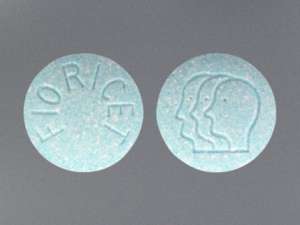
Fioricet 40mg
Select options This product has multiple variants. The options may be chosen on the product pageFioricet (Butalbital, Acetaminophen, and Caffeine): What You’re Actually Buying
Fioricet is one of those medications people hear about for years before they ever fill a prescription. A doctor writes the script. The pharmacy hands over a small white capsule. And for a lot of people with stubborn tension headaches, it works when regular ibuprofen does not.
This page covers what Fioricet contains, what it is approved to do, the dose limits written into the FDA label, the side effects worth knowing about in advance, and how a valid prescription flows through our ordering system at Akesis Pharma. If you only have five minutes, scroll to the dose and warning sections. Those are the parts that matter most.
What Is Fioricet? The Three Ingredients in One Capsule
Fioricet is not a single drug. It is a combination tablet or capsule that puts three active ingredients together. According to the FDA-approved label on DailyMed, each capsule contains.
- Butalbital — 50 mg. A short-acting barbiturate. It relaxes muscle tension and has a sedative effect. Butalbital is the ingredient that makes Fioricet different from a regular painkiller.
- Acetaminophen — 300 or 325 mg. The same pain-and-fever reducer sold over the counter as Tylenol.
- Caffeine — 40 mg. About half a cup of coffee. It is added because caffeine helps the other two ingredients absorb faster and works on blood vessels around the head.
That third ingredient surprises most people. They expect a painkiller. They get a painkiller, a barbiturate, and a small dose of caffeine in one pill Drugs.com Dosage Guide.
What Fioricet Is Approved to Treat
The FDA-approved use is narrow. On the label, Fioricet is indicated for “the relief of the symptom complex of tension (or muscle contraction) headache” DailyMed FDA Label.
That is a specific clinical term. Tension-type headaches feel like a tight band around the forehead. They are different from migraines, which usually come with nausea, light sensitivity, and visual changes. Doctors prescribe Fioricet for tension headaches. Some prescribe it off-label for migraines, particularly when a migraine is behaving more like a tension headache, but that is a separate clinical decision.
If your headache comes with aura, vomiting, or one-sided throbbing pain, Fioricet is probably not the right starting point. Your prescriber will choose based on your history.
The Standard Adult Dose (and Why the Daily Cap Matters)
The FDA label sets out a short schedule for adults:
- Take 1 or 2 capsules or tablets by mouth every 4 hours as needed.
- Do not exceed 6 capsules or tablets in a 24-hour period.
Taking more does not make it work better. It raises the risk of liver damage from acetaminophen and overdose from butalbital. The 6-per-day ceiling is there for a reason.
The acetaminophen number matters even more for people who already take Tylenol on the side. Two Fioricet doses in a day puts 600 to 650 mg of acetaminophen into your system. Add a Tylenol PM at bedtime and the gap to the 3,000 mg daily ceiling most clinicians use gets thinner than you would expect.
The Honest Part: Dependence, Withdrawal, and Rebound Headaches
Here is what we will not sugarcoat. Butalbital is a barbiturate. Used daily for weeks or longer, it can cause physical dependence. Stop suddenly and you may feel shaky, anxious, unable to sleep, and occasionally have a seizure. Medical literature includes case reports of severe butalbital withdrawal landing people in the emergency room.
There is also a phenomenon called medication-overuse headache. Take Fioricet more than 10 to 15 days a month and the headaches can come back stronger when the pills wear off. People then take more. It is a real cycle, and it is the most common reason patients end up in a headache specialist’s office. Most clinicians cap Fioricet at no more than two treatment days a week for exactly that reason.
We mention this because we have seen customers try to order larger quantities month after month. When that pattern shows up, our pharmacists flag the order for the prescribing physician. We are not the prescriber, and we do not override a doctor’s instructions. We also do not pretend the warning does not exist.
Who Should Not Take Fioricet
The FDA label and standard clinical guidance list several groups who should avoid this medication or use it only under close supervision.
- People with porphyria. Butalbital can trigger attacks.
- People with severe liver disease. The acetaminophen load is too high.
- Pregnant women, especially in the third trimester. Butalbital crosses the placenta and has been linked to neonatal withdrawal.
- Anyone with a history of substance use disorder involving sedatives or alcohol. Butalbital acts on the same GABA receptors.
- Patients on certain other sedatives, including opioids and benzodiazepines. Combining them raises overdose risk.
If any of those apply, the prescriber needs to know before the first dose. Not after the refill.
Common Side Effects
Most people tolerate Fioricet fine when they use it on the schedule written on the label. Frequent side effects are drowsiness, light-headedness, mild nausea, and occasional shortness of breath in patients who are sensitive to caffeine or butalbital.
Less common but serious reactions include widespread skin rash or peeling, unusual bruising or bleeding, yellowing of the skin or eyes, and a sore throat that does not clear up. Any of those — stop taking it and call your prescriber the same day.
Fioricet Comes in Three Main Forms
Two details often confuse first-time buyers.
1. Tablets vs. capsules. Both deliver the same 50/325/40 mg combination. Some generic manufacturers use 500 mg of acetaminophen instead of 325 mg. The 500 mg version limits you to 1 tablet every 4 hours, not 2. Always read the strength printed on your bottle before counting doses.
2. Fioricet with codeine. A separate Schedule III product exists under the name Fioricet with Codeine. It adds 30 mg of codeine and is reserved for tension headaches that have not responded to the plain version. Akesis Pharma handles that product under stricter controls, and it is not on this category page.
A detail most competitor pages miss: the non-codeine Fioricet currently sits on the DEA’s list of exempted prescription products, which means individual capsules are not counted as a controlled substance in many states. That may be changing. The DEA published a final rule on May 26, 2026, removing the exemption status for certain butalbital products that meet specific criteria. State pharmacy boards and prescribers are still updating their guidance around it. We will follow whatever the rule requires in your state before a refill ships.
How a Valid Prescription Works at Akesis Pharma
Our pharmacy is at 89 Babylon Turnpike in Merrick, New York. The process for this page is straightforward:
- You select the strength your prescriber wrote for — generic 50/325/40 mg tablets or capsules, or the 50/500/40 mg version.
- You upload the prescription during checkout, or your prescriber can send it directly to our pharmacy license number.
- Our pharmacist reviews the script against your order. If the dose on the label does not line up with your order, we call before filling.
- The order ships in plain packaging. Tracking is sent by email.
Every step holds to the same rules. We do not sell Fioricet without a prescription. We do not sell to anyone under 18. We do not split prescription strength to fit a larger order than the doctor signed for. If a state requires a prescription transfer form, that form is on file before any tablet leaves the building.
Our order desk is open 24 hours. If your prescriber is unavailable and you need a refill, we can contact them on your behalf during business hours. That is part of what a licensed pharmacy is for.
What “Buy Fioricet Online” Actually Means
A lot of the websites that come up when you search those words are not licensed US pharmacies. Some ship from overseas. Some send a different medication than the label says. Some never send anything.
We are a US-licensed pharmacy with a published address, a published email (sales@akesispharma.com), and the regular inspections that come with that license. Every bottle we dispense can be traced back to a lot number and a manufacturer. If you ever have a question about what is actually in the bottle, ask us. We will pull the certificate of analysis.
If a competitor’s price sits well below ours, that is usually the first warning sign. Either it is not the same drug, or there is no prescription check behind it.
Safety Information and Prescription Requirements
Fioricet is a prescription medication in every US state. The FDA-approved label makes that clear. Before you order from this page:
- A current, valid prescription from a licensed prescriber is required.
- The prescription must include your name, the medication, the strength, the dose, and the prescriber’s DEA or state license number where applicable.
- Akesis Pharma will not accept prescriptions issued by an online questionnaire that did not include a clinical evaluation.
- We do not dispense Fioricet in quantities above what your prescriber has authorized within the calendar month.
Acetaminophen has a hard upper limit of 3,000 to 4,000 mg per day for most adults, depending on liver health. Our pharmacists will flag your order if the total daily acetaminophen exceeds that range, including any non-prescription products you tell us you also take.
If you experience any severe reaction — trouble breathing, swelling of the face or throat, yellowing of the skin, unusual bleeding, a seizure, or thoughts of harming yourself — stop the medication and seek emergency care. Then call us so we can note the event on your file.
When Fioricet Is the Wrong Tool
A short list, because it matters:
- You have migraines with aura and no tension component.
- You are pregnant or breastfeeding, unless your prescriber has specifically weighed the trade-offs.
- You have had substance use disorder involving alcohol, opioids, or sedatives.
- You need a daily preventive. Fioricet is a rescue medication, not a daily prophylactic.