
Showing all 13 results
-

Adderall 10mg
Select options This product has multiple variants. The options may be chosen on the product page
Adderall 12.5mg
Select options This product has multiple variants. The options may be chosen on the product page
Adderall 15mg
Select options This product has multiple variants. The options may be chosen on the product page
Adderall 20mg
Select options This product has multiple variants. The options may be chosen on the product page
Adderall 30mg
Select options This product has multiple variants. The options may be chosen on the product page
Adderall 5mg
Select options This product has multiple variants. The options may be chosen on the product page
Adderall 7.5mg
Select options This product has multiple variants. The options may be chosen on the product page
Adderall XR 10mg
Select options This product has multiple variants. The options may be chosen on the product page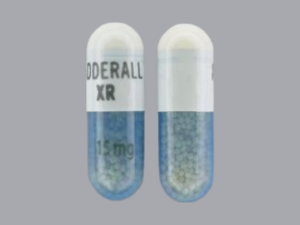
Adderall XR 15mg
Select options This product has multiple variants. The options may be chosen on the product page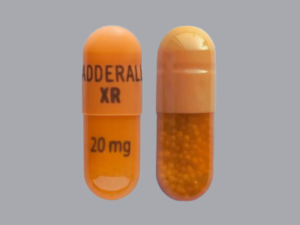
Adderall XR 20mg
Select options This product has multiple variants. The options may be chosen on the product page
Adderall XR 25mg
Select options This product has multiple variants. The options may be chosen on the product page
Adderall XR 30mg
Select options This product has multiple variants. The options may be chosen on the product page
Adderall XR 5mg
Select options This product has multiple variants. The options may be chosen on the product pageAdderall Medication Online: What Safe, Legal Treatment Looks Like
Getting help for ADHD should not feel confusing. But for many people, it does.
They are trying to work, study, parent, or just get through a normal day, and the small tasks keep breaking apart. An email stays half-written. A deadline gets missed. Laundry sits in the washer for eight hours. Sleep gets worse because the brain does not shut off when the house finally gets quiet.
That struggle is real. So is the need for treatment that is lawful, medically supervised, and clear about what comes next.
If you are looking for ADHD care online, the first thing to know is simple: Adderall is a prescription-only medication in the United States. It is also a Schedule II controlled substance, which means it has recognized medical use, but also a higher risk of misuse and dependence than many other prescription drugs. That changes how it must be prescribed, filled, and monitored.
There is no legal shortcut around that. A real clinic will not promise one.
What this page is for
This page is not here to hype a medication or make broad promises.
It is here to explain what a patient should expect when seeking ADHD treatment through a legitimate medical provider online. That includes:
- medical screening
- prescription rules
- refill limits
- pharmacy issues
- side effects and safety checks
- signs that a website is not operating responsibly
If a website makes the process sound instant, effortless, or guaranteed, slow down. That is often where problems start.
First, what Adderall actually is
Adderall is the brand name commonly used for a combination of amphetamine salts prescribed for ADHD in some patients. It may help with focus, impulse control, and the ability to stay on task. For the right patient, under proper medical care, it can make a measurable difference in work, school, and daily life.
But it is not a fit for everyone.
Some patients do better on a different stimulant. Others do better on a non-stimulant option. Some have anxiety, heart concerns, sleep problems, or other health factors that make one medication a better choice than another. Good care starts there. Not with a shopping cart.
That detail matters more than most websites admit.
The legal part most pages gloss over
Here is the plain version.
You cannot legally buy Adderall online in the same way you buy vitamins, skin care, or office supplies. A lawful process usually includes all of the following:
- A licensed medical evaluation
A qualified clinician reviews symptoms, health history, current medications, and possible risks. ADHD symptoms can overlap with anxiety, depression, sleep disorders, thyroid problems, substance use, and other conditions. If that step gets skipped, the whole process gets weaker. - A real prescription, if medically appropriate
Not every evaluation ends with a stimulant prescription. It should not. Sometimes the safer choice is further assessment, another treatment, or no prescription at all. - Identity and pharmacy verification
Controlled substances require tighter review. Patients may need to show identification, confirm address details, and use a licensed pharmacy. - Ongoing follow-up
A responsible provider does not vanish after the first visit. Dose changes, side effects, blood pressure, sleep, appetite, and symptom response all matter. ADHD treatment is usually adjusted over time.
That is the lawful path. It is not flashy. It is not instant. It is how safe prescribing works.
What a real online ADHD visit should cover
A serious ADHD evaluation is more detailed than many people expect.
A clinician may ask when symptoms started, whether they were present in childhood, how they affect work or school, whether you lose items often, interrupt people, miss deadlines, or struggle to finish routine tasks. They may ask about mood, panic symptoms, sleep quality, caffeine use, alcohol use, or past reactions to medication.
They should also ask about heart health. That includes chest pain, palpitations, fainting, high blood pressure, and family history of sudden cardiac problems. It is not paperwork for the sake of paperwork. Stimulants can raise heart rate and blood pressure, and that risk has to be taken seriously.
A good visit may feel slower than you hoped. That is not always a bad sign.
In fact, one of the clearest warning signs online is the opposite: a site that seems eager to get from “I have trouble focusing” to “approved” in record time.
One honest thing patients should know
Even when the prescription is valid, the process is not always smooth.
There have been periods when patients with legitimate prescriptions still had trouble finding stock at local pharmacies. That has frustrated patients, clinicians, and pharmacists alike. A prescription does not guarantee same-day availability. That is not a sales problem. It is a supply problem, and pretending otherwise helps no one.
Many patients do not hear that until after they pay for a visit. They should hear it up front.
How follow-up care usually works
The first prescription is rarely the end of the story.
Some patients feel more focused but lose their appetite. Others sleep poorly if they take the dose too late. Some notice a clear benefit in the morning, then feel a drop-off in the afternoon. Some feel overstimulated on one formulation and steadier on another.
That is why follow-up matters.
A proper treatment plan may involve:
- checking symptom improvement over several weeks
- reviewing side effects
- adjusting dose timing
- switching from immediate-release to extended-release, or the reverse
- deciding that the medication is not the right fit
This is one place where plain language matters. The goal is not to “put someone on Adderall.” The goal is to find a treatment plan that improves daily function without creating bigger problems in sleep, mood, appetite, or cardiovascular health.
Common side effects patients should not ignore
Patients deserve specifics, not vague reassurances.
Possible side effects can include:
- reduced appetite
- trouble sleeping
- dry mouth
- increased heart rate
- higher blood pressure
- irritability
- anxiety
- headache
- stomach discomfort
Some side effects are mild and manageable. Others are not. A patient who suddenly feels chest pain, severe agitation, fainting, or dangerous changes in mood needs medical attention, not marketing copy.
Websites that treat stimulant medication like a casual lifestyle upgrade are leaving out the part that matters most.
The unexpected detail that often matters most
Many people assume the total dose is the main issue.
Often, timing matters just as much.
A dose taken too late in the day can wreck sleep, and poor sleep can make ADHD symptoms worse the next day. Then the patient feels less focused, thinks the medication is failing, and may ask for a higher dose when the real problem is the dosing schedule. That cycle happens more often than most competitors mention. Sometimes the 2 p.m. dose causes more trouble than the total daily amount.
That is the sort of detail that shows whether a clinic is paying attention.
Red flags to watch for when choosing an online provider
Some warning signs are easy to miss, especially when someone is overwhelmed and just wants help.
Be careful with a site that:
- guarantees approval before a medical evaluation
- promises overnight stimulant access without discussing legal limits
- avoids talking about side effects or monitoring
- does not list licensed clinicians clearly
- does not explain follow-up care
- treats ADHD medication as a simple retail product
- uses pressure tactics like countdown timers or exaggerated urgency
- avoids saying that Adderall requires a prescription
A legitimate clinic should be able to explain its process in plain English. If the language feels slippery, the process probably is too.
What responsible care sounds like
Responsible care does not usually sound polished. It sounds specific.
It sounds like this:
“We need to review your symptoms, medical history, and current medications first.”
It sounds like this:
“If a stimulant is not safe for you, we will discuss other options.”
It sounds like this:
“You may need regular follow-up before dose changes or refills.”
Those are not glamorous lines. They are the lines that protect patients.
Why some patients seek online care in the first place
The reasons are often practical.
A parent cannot leave work for a midday appointment. A college student is away from their hometown doctor. A patient in a rural area may not have many local options. Someone may have spent years putting off care because the process felt too hard to start.
Online care can help with access. That is real. But better access should not mean weaker standards.
The best online clinics reduce friction where they can and keep safeguards where they must.
Refill rules and pharmacy realities
This is another area where patients deserve a straight answer.
Controlled-substance prescriptions often come with tighter refill and transfer rules than common non-controlled medications. State requirements can differ. Pharmacy policies can differ too. Insurance plans may add another layer of timing rules or prior authorization steps.
That means delays happen.
Sometimes it is a stock issue. Sometimes it is insurance. Sometimes the prescription needs to match a pharmacy’s exact inventory format. Sometimes a holiday weekend turns a small delay into a four-day problem.
None of that is pleasant. It is still better to explain it honestly than pretend the process works like ordering a phone charger.
A lesson many clinics learned the hard way
Some providers made a mistake during the rapid growth of telehealth.
They focused on speed first. Intake got shorter. Screening got thinner. Follow-up became too light. In some cases, patients were treated more like transactions than like people with complex health histories.
That approach caused distrust for everyone, including the clinics trying to do the work correctly.
The lesson is simple: faster is not always better in ADHD care. If the first visit leaves no room for nuance, the patient pays for that later.
What patients should have ready before an appointment
A smoother appointment usually starts with better preparation.
Patients should try to have:
- a list of current medications
- any known medical conditions
- blood pressure information, if available
- past ADHD diagnoses or treatment history
- notes on sleep, appetite, and daily symptoms
- insurance and pharmacy details
That last part seems boring. It matters. More prescriptions get delayed by pharmacy and insurance details than by dramatic medical issues.
Treatment is not only medication
This point gets lost online.
Medication can help. It is not the whole plan.
Many patients benefit from basic structure changes alongside medication, such as:
- consistent sleep timing
- task breakdown methods
- calendar and reminder systems
- therapy or coaching
- reduced evening caffeine
- work or school accommodations when appropriate
That does not mean patients should be lectured about buying a planner and trying harder. It means the best outcomes usually come from more than one tool.
A safer standard for ADHD care online
If a clinic wants to earn trust, it should make a few things easy to find:
- who the clinicians are
- what states they practice in
- what the evaluation includes
- whether follow-up is required
- what happens if medication is not appropriate
- how prescriptions are sent
- what side effects need urgent attention
- what the patient will actually pay for
Not hidden in a footer. Not buried in legal text. Plainly visible.
Trust grows when patients can see the process before they enter it.
Final word
People looking for ADHD treatment are usually not looking for hype. They are looking for relief, clarity, and a process that does not waste time or cut corners.
That is the standard worth holding.
If a provider offers online ADHD care, the message should be direct: evaluation first, prescription only if appropriate, ongoing medical oversight, and no false promises.